

Iranian negotiators held a third consecutive day of talks with Qatari mediators on Sunday, November 1, in an effort to restart US Iran peace talks and reopen the Strait of Hormuz. The talks began in Tehran on Friday and moved to Doha on Saturday. No agreement has been reached, and no direct meeting between US and Iranian officials has been confirmed. Tehran says a deal depends on Washington meeting its conditions, while President Donald Trump says diplomacy is “going fine” but has not ruled out new strikes after the November 3 midterm elections.
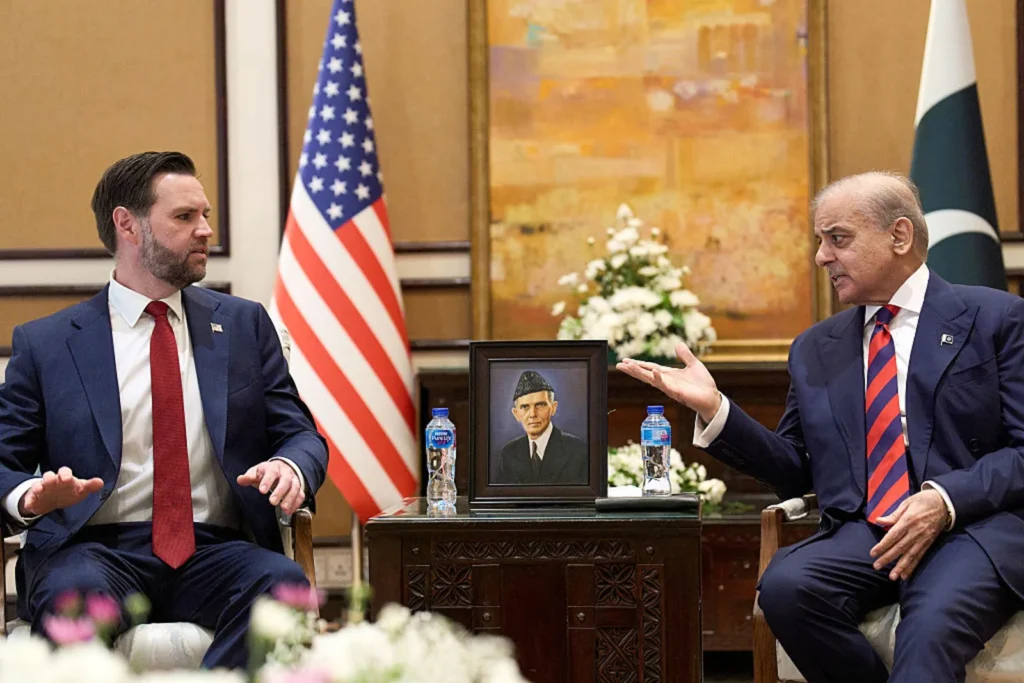
Where the US-Iran peace talks stand
- Who is talking: Iranian negotiators and Qatari mediators in Doha. Pakistan is also mediating.
- What is on the table: a two-day plan to reopen the Strait of Hormuz and restart formal negotiations with Washington.
- Direct US-Iran talks: not confirmed. Iran’s Foreign Minister Abbas Araghchi said there were no plans for direct talks with US officials, and Qatar is relaying positions in regular contact with Washington, according to an official cited by Reuters.
- Deal reached: no. Araghchi said the talks were “ongoing and progressing” but that no final conclusion had been reached.
- Deadline pressure: the US midterm elections on Tuesday, November 3, after which Washington has reportedly told allies to prepare for a possible short round of fighting.
The talks follow more than 12 hours of meetings between Iranian and Qatari officials in Tehran on Friday, October 30. Secretary of State Marco Rubio confirmed that Qatar-led talks were under way but said he did not know of a timeframe. “There are multiple talks. Talks have actually never stopped,” Rubio said, according to Al Jazeera. “If there is a diplomatic solution, we would be open to it.”
The two-day plan to reopen Hormuz
Araghchi said Iranian and Qatari negotiators had developed a proposal to reopen the Strait of Hormuz within two days of an agreement with Washington. As he described it, the United States would take a series of measures on the first day, and Iran would reopen the strait and restore normal shipping on the second. Formal peace talks would follow.
“We are doing our best in this process, and we hope that there is rationality on the other side so that they prioritize diplomacy over other paths,” Araghchi said, as reported by Reuters via CNBC. He added that Tehran is prepared for “both defense and diplomacy.”
Qatar had earlier proposed a seven-day confidence-building plan that Iran considered inadequate, Reuters reported.
Iran’s conditions
Iran says the strait will not reopen and talks will not restart until Washington acts first. Araghchi listed these demands to Al Jazeera:
- Lift recently imposed US sanctions.
- Reinstate the oil waivers granted in June.
- Reduce the US military presence in the region.
- Recognize new shipping routes in the Strait of Hormuz designated by Iran and Oman.
- End the conflict on all fronts, including Israel’s attacks on Lebanon.
Iran’s Supreme National Security Council secretary, Mohsen Rezaei, has framed them as seven conditions, saying the strait “cannot reopen unless Iran’s seven conditions are met.” According to Axios, as reported by Iran International, Tehran also wants the US naval blockade lifted, frozen Iranian funds released and permission to sell oil before negotiations resume.
The US position
Trump said on Saturday that the negotiations were “going fine,” but also that they were “not very reliable.” He said the US military still had several Iranian sites to “take care of,” singling out a suspected underground nuclear complex known as Pickaxe Mountain, and added that the US was not in a hurry.
Rubio said Trump had not decided whether to launch new strikes and would prefer a diplomatic resolution, but warned that the US “can achieve military objectives if we seek to.” Washington’s central demand is nuclear: it wants Iran to make concessions on its nuclear program as part of any return to talks.
There is also a parallel channel. Vice President JD Vance sent Rezaei a letter at Trump’s direction and offered to meet him in person, with Istanbul or Doha the most likely venues, according to reports in The Wall Street Journal and The Washington Post cited by Iran International. Rezaei said he had read the letter, whose tone he called markedly different from earlier US messages, but had not replied.
What the two sides disagree on
| Issue | Iran’s position | US position |
|---|---|---|
| Who moves first | The US must lift sanctions, restore oil waivers and pull back forces before talks resume | Wants nuclear concessions as part of restarting talks |
| Strait of Hormuz | Reopen within two days, on routes designated by Iran and Oman | Wants shipping restored; has not endorsed Iran’s routes |
| Military options | Says it is “ready for any scenario” and more prepared than ever | Prefers diplomacy but keeps strikes on the table |
| Scope of a deal | An end to fighting on all fronts, including Lebanon | Focused on Iran’s nuclear program |
How we got here: timeline
| Date | Event |
|---|---|
| February 28, 2026 | The US-Israel war on Iran begins |
| April 11, 2026 | Pakistan hosts US-Iran talks in Islamabad, with Vance leading the US side |
| June 2026 | A memorandum of understanding brokered with help from Qatar and Pakistan is signed |
| August 2026 | The June memorandum collapses |
| October 30, 2026 | Qatari mediators hold more than 12 hours of talks in Tehran |
| October 31 to November 1, 2026 | Talks move to Doha; discussion of the two-day Hormuz plan |
| November 3, 2026 | US midterm elections |
Why the talks matter beyond the region
The war has caused a serious global energy crisis, and the Strait of Hormuz is one of the world’s most important oil and gas chokepoints. Reopening it would be the most concrete step toward de-escalation since the June memorandum collapsed.
The stakes also reach the technology industry. Gulf states have become a major base for cloud and AI infrastructure, and Iranian officials have repeatedly warned that data centers, undersea cables and AI facilities in the region could become targets if fighting resumes. The OECD’s AI incident monitor logged one such threat against AI data centers in the Persian Gulf on October 12. For more on the companies and projects involved, follow our AI news coverage.
What happens next
The immediate question is whether Washington responds to Iran’s conditions and whether the two-day Hormuz plan can be put into practice. “We are now waiting for the Americans’ response,” Rezaei said. If the plan moves forward, it could open the way to the first formal US-Iran negotiations since the summer.
If it stalls, the risk of escalation rises after Tuesday’s vote. Andreas Krieg, an associate professor of security studies at King’s College London, told Al Jazeera that the election gives Iran an incentive to delay concessions and deny Trump a diplomatic win, but that the calculation could change afterward, when Trump faces fewer domestic political limits on military action.
Bottom line
The Doha talks are a serious but unresolved attempt to restart US Iran peace talks. Qatar and Pakistan are trying to turn a two-day plan for reopening the Strait of Hormuz into a broader peace process, but sanctions, the US military presence, nuclear demands and the wider conflict still stand in the way. We will update this story as the talks develop. For more international coverage, see our world news section.
Frequently asked questions
Are the US and Iran talking directly?
Not as of November 2, 2026. Iran is negotiating with Qatari mediators in Doha, and Qatar is in regular contact with Washington. Araghchi said there were no plans for direct talks with US officials, although Vice President JD Vance has offered to meet Iran’s security chief.
What is the two-day Hormuz plan?
A proposal discussed by Iran and Qatar under which the US would take certain measures on day one and Iran would reopen the Strait of Hormuz and restore normal shipping on day two, followed by formal peace talks.
What does Iran want before talks resume?
Iran wants recent US sanctions lifted, the June oil waivers restored, a smaller US military presence, recognition of new Hormuz shipping routes set by Iran and Oman, and an end to fighting on all fronts, including Lebanon.
Could the US strike Iran again?
Trump has not ruled it out. He has said several Iranian sites still need to be dealt with, and the US has reportedly told Gulf allies to prepare for a possible short round of fighting after the November 3 midterm elections. Rubio says Trump prefers a diplomatic solution.
Who is mediating between the US and Iran?
Qatar is leading the current talks in Doha. Pakistan is also mediating, and its army chief, Field Marshal Asim Munir, has visited Tehran several times. Both countries helped broker the June memorandum that collapsed in August.
Sources: Reuters via CNBC, November 1, 2026; Al Jazeera, November 1, 2026; Iran International, citing The Wall Street Journal, The Washington Post and Axios, October 31 to November 1, 2026; OECD AI Incidents Monitor. This article reflects information available as of November 2, 2026. Read how we verify developing stories in our editorial policy.